Are users ready for AR content? Smart glasses are getting closer, but the real question is whether brands and creators are ready to give people something worth seeing.
Smart glasses are back in the spotlight.
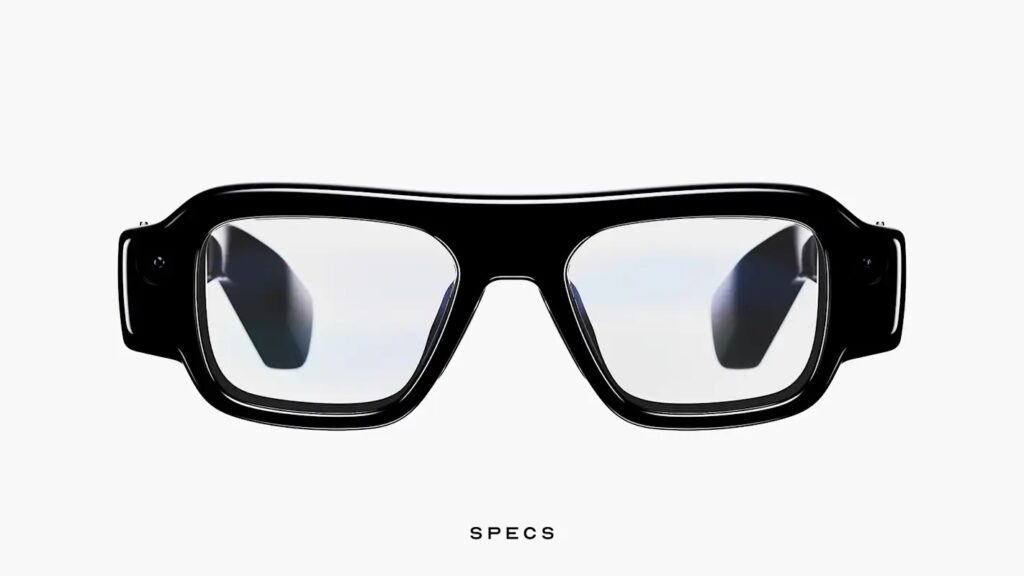
After years of prototypes, developer kits, and “almost ready” devices, the market is starting to look more serious. Snap has introduced SPECS, fully standalone AR glasses with built-in AI, hand tracking, spatial understanding, and a $2,195 price tag. Google is building Android XR together with Samsung and Qualcomm. XREAL AURA is bringing Android XR into a glasses-style spatial computing device with a dedicated compute puck. Meta continues to expand its AI glasses lineup for everyday use.
It feels like the next wave of spatial computing is getting closer.
But for brands, educators, creators, and businesses, the most important question is not only “Which glasses will win?” The better question is: “What will people actually do with them?”
Because hardware is only one part of the story. Every new computing platform needs useful content. Smartphones needed apps. The web needed websites. AR glasses will need experiences that are practical, easy to access, and valuable in the real world.
The good news is that you do not have to wait for smart glasses to become mainstream. You can start creating AR content today, directly in the browser.
Why smart glasses are getting attention again
The new generation of smart glasses is different from earlier attempts.
Older devices often felt too limited, too heavy, or too early for everyday users. Today, the technology is moving in several directions at once.
Some companies are building full AR glasses that place digital objects into the world around you. Snap SPECS are one example. They are designed as fully standalone AR glasses, so they do not need a phone, external puck, or tether to run AR experiences. They use computer vision, hand tracking, AI assistance, and spatial understanding to make digital content feel connected to the physical world.
Other companies are building AI smart glasses. These devices may not show rich 3D content in your field of view, but they can listen, see, capture photos or videos, translate speech, answer questions, and help with daily tasks. This category is growing fast, but it also raises important questions about privacy, trust, and how people feel around always-on cameras.
There is also a growing category of wearable displays and glasses-style spatial computing devices. Some work more like personal screens for movies, games, productivity, or travel. Others, like XREAL AURA, use a glasses format together with a dedicated compute puck to support more advanced XR experiences. They may not all be full standalone AR glasses, but they help people get used to the idea of wearable spatial interfaces.
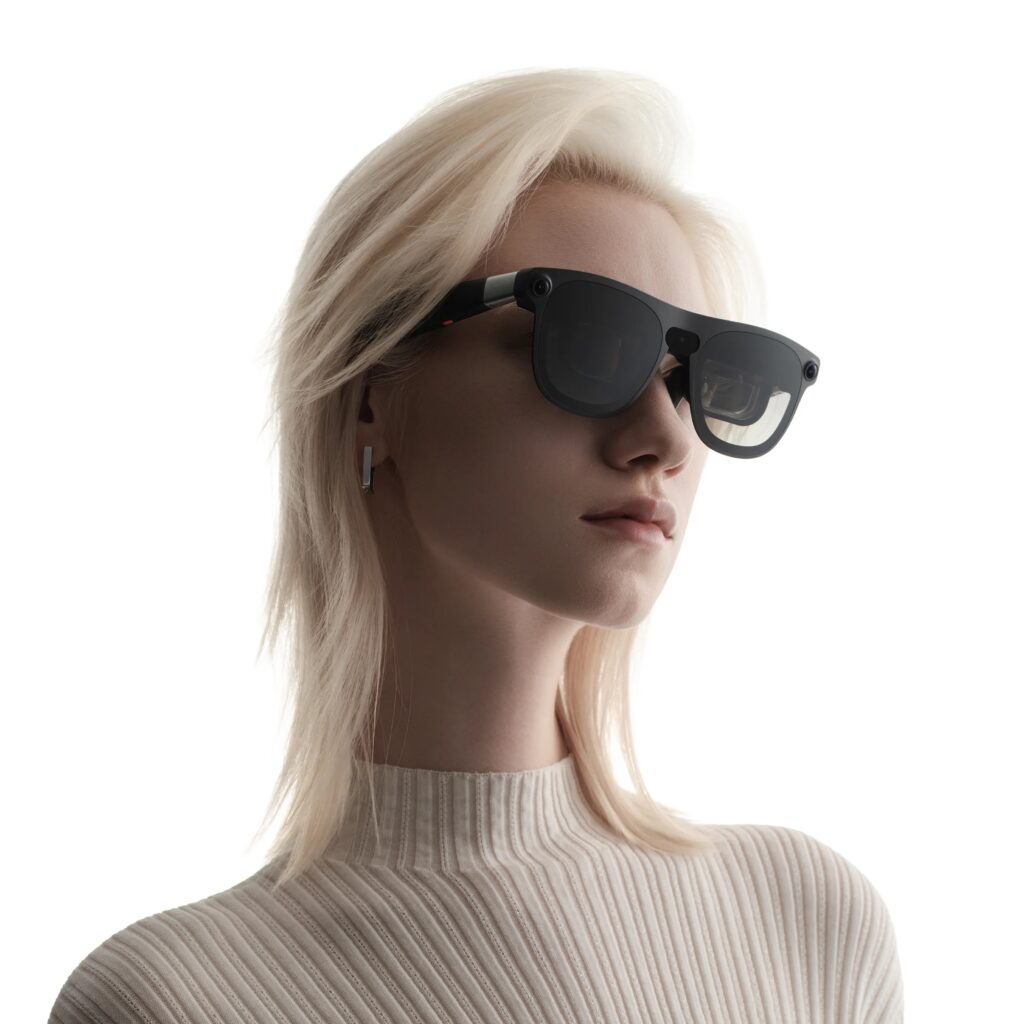
At the same time, XR headsets continue to evolve for immersive work, entertainment, training, and collaboration. Android XR is designed to support both headsets and glasses, with Google describing it as an open platform for the next generation of XR devices.
All of this points in one direction: spatial interfaces are moving from labs and trade shows toward everyday use.
The market is still fragmented
Even with all this progress, the smart glasses market is still early.
Different devices have different strengths. Some are better for AI assistance. Some are better for watching content. Some are built for immersive 3D experiences. Some are made for enterprise work. Some are still expensive. Some are still developer-focused. Some are not true AR glasses at all.
That makes the market exciting, but also complicated.
For a business or creator, this creates a challenge. Should you build for one device? One app store? One operating system? One hardware partner? What happens if the market changes again in a year?
This is where WebAR becomes especially useful.
WebAR is not about betting on one pair of glasses. It is about creating AR experiences that people can open through a browser, usually with a link or QR code. That means the experience can reach users on devices they already have, especially smartphones, while still preparing your content strategy for a more spatial future.
The real opportunity is content
New devices create attention. Content creates value.
People will not use AR glasses just because the hardware is impressive. They will use them if AR helps them understand something faster, explore a product better, learn in a more visual way, interact with a brand, navigate a space, or enjoy an experience they could not get from a flat screen.
That is why the content layer matters so much.
Think about what happened with smartphones. The hardware mattered, but apps made smartphones essential. Maps, messaging, shopping, banking, video, games, social media, education, and productivity tools turned the device into something people used all day.
AR will follow a similar path. The hardware will keep improving, but adoption will depend on the experiences available.
For AR creators, that means now is the right time to experiment. Not later, when the market is already crowded. Not only when glasses are cheap enough for everyone. Now.
What you can build with WebAR today
WebAR already supports many useful scenarios across industries.
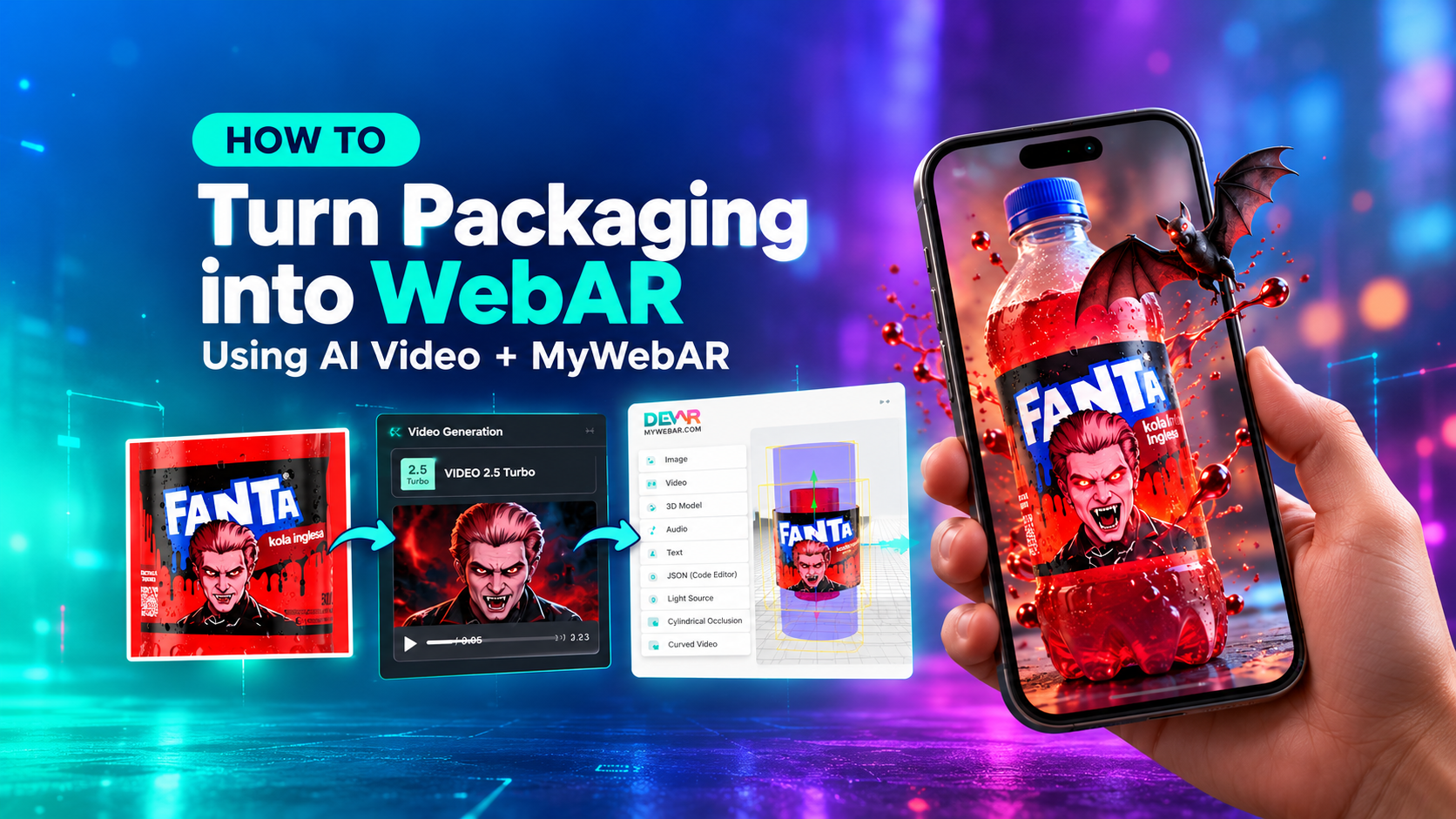
Brands can add AR to product packaging, bottles, cans, labels, posters, catalogs, and retail displays. A customer scans a QR code and sees a product story, animation, tutorial, character, offer, or interactive scene on top of the real object.
Retailers can create product previews that help shoppers see items in their own space before buying. Furniture, home decor, electronics, cosmetics, toys, and collectibles can all become more interactive with AR.
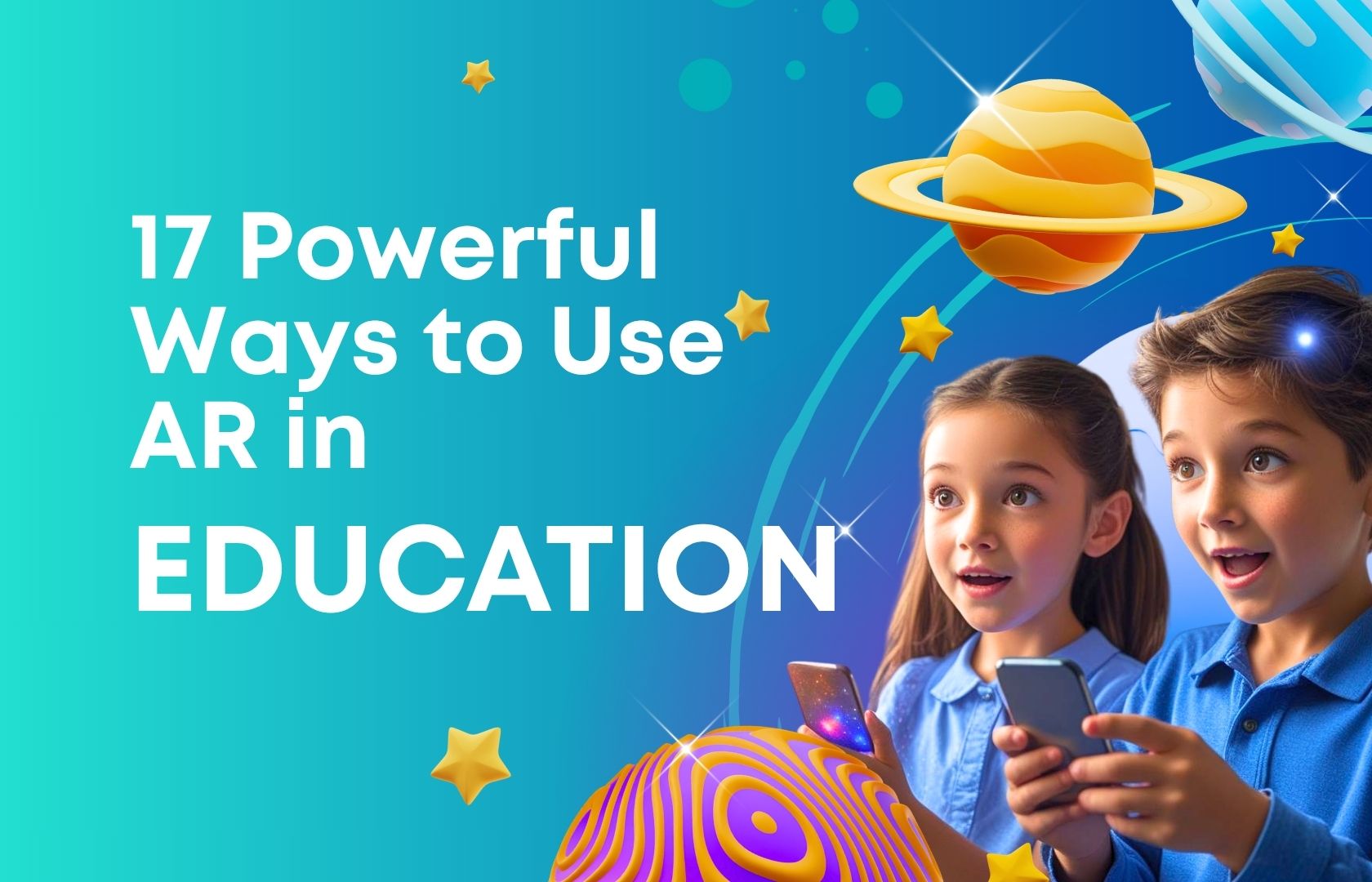
Educators can turn complex subjects into visual experiences. Instead of only reading about a historical artifact, a student can view it in 3D. Instead of looking at a flat diagram, they can explore a model from different angles.
Museums and galleries can add digital layers to physical exhibitions. Visitors can scan artworks, objects, or spaces and discover stories, audio, video, 3D models, or guided tours.
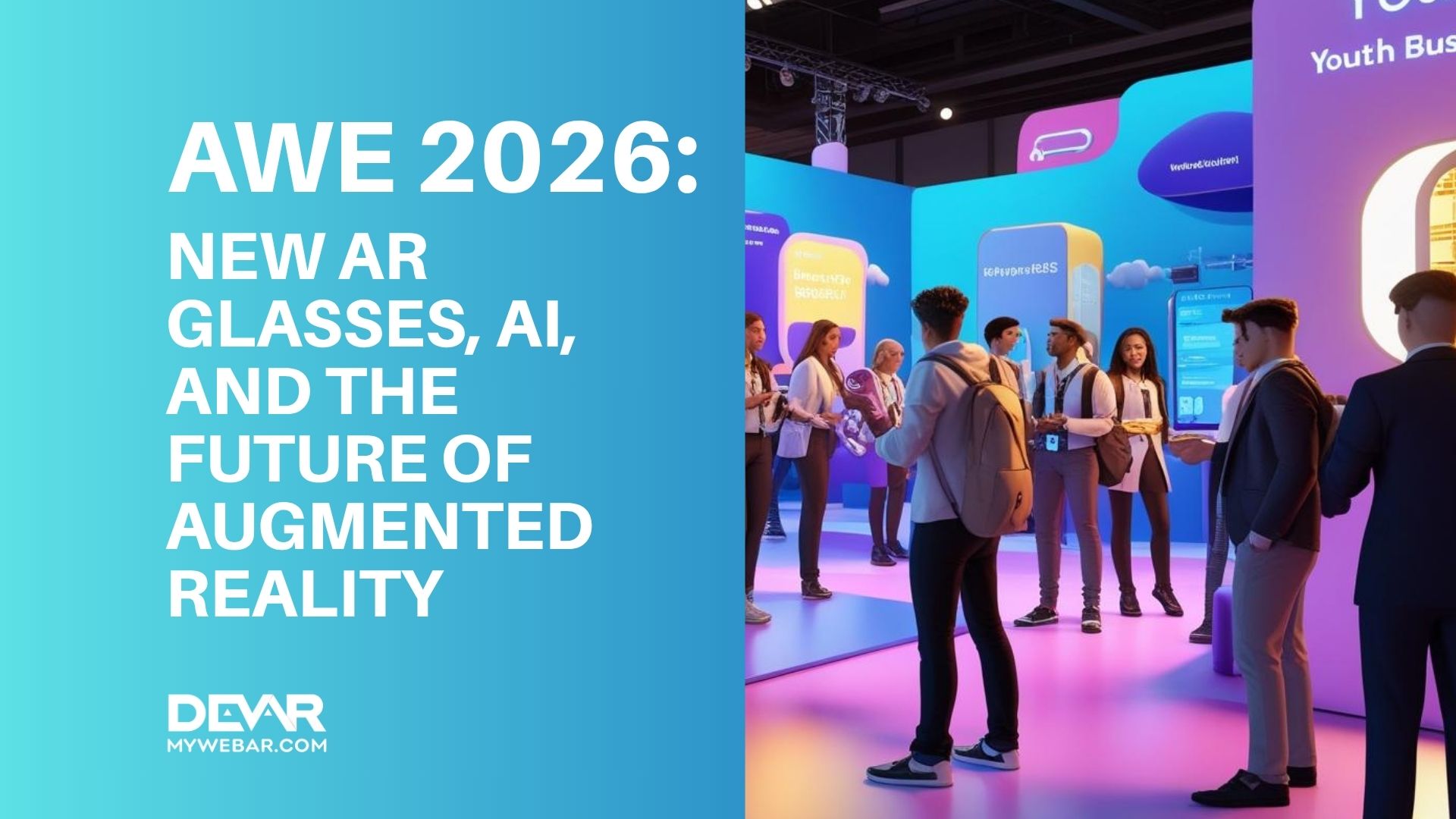
Event teams can create AR activations that visitors open through QR codes on badges, stands, banners, screens, or printed materials. This makes AR easy to distribute at conferences, festivals, product launches, and brand events.
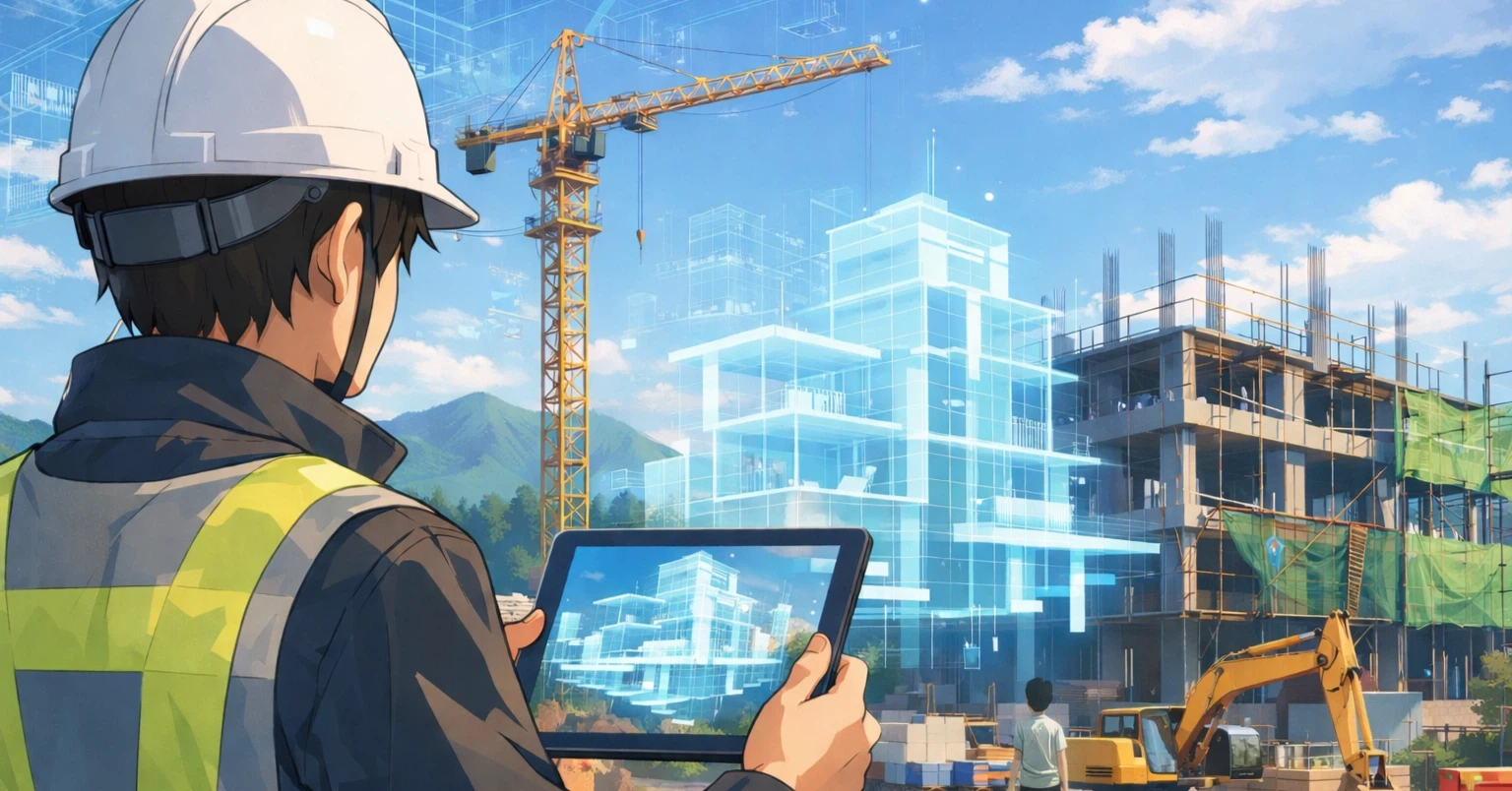
Enterprise teams can use AR for training, onboarding, equipment instructions, safety guides, and product education.
On MyWebAR, creators can build browser-based AR experiences without code, add 3D models, images, videos, buttons, and interactive elements, and publish projects in one click. The platform also supports different types of tracking, including flat image tracking, curved image tracking for cylinder-shaped objects, world tracking, face filters, multiscene experiences, and object tracking.
Why WebAR is a practical bridge to smart glasses
WebAR has one big advantage: access.
A user does not need to install an app. A brand does not need to convince someone to buy a specific headset. A teacher does not need a full classroom of AR glasses. A museum does not need every visitor to own new hardware.
The experience can start with a simple scan.
This makes WebAR a practical bridge between today’s smartphone-based AR and tomorrow’s spatial devices.
It lets teams test ideas, understand what users engage with, improve their creative formats, and build internal AR skills before smart glasses become common. It also helps creators think in spatial terms now: objects, surfaces, movement, interaction, scale, context, and the real environment around the user.
Those skills will matter more as glasses evolve.
How brands can prepare for the next AR wave
The best way to prepare for smart glasses is not to wait. It is to start building AR experiences that solve real user problems today.
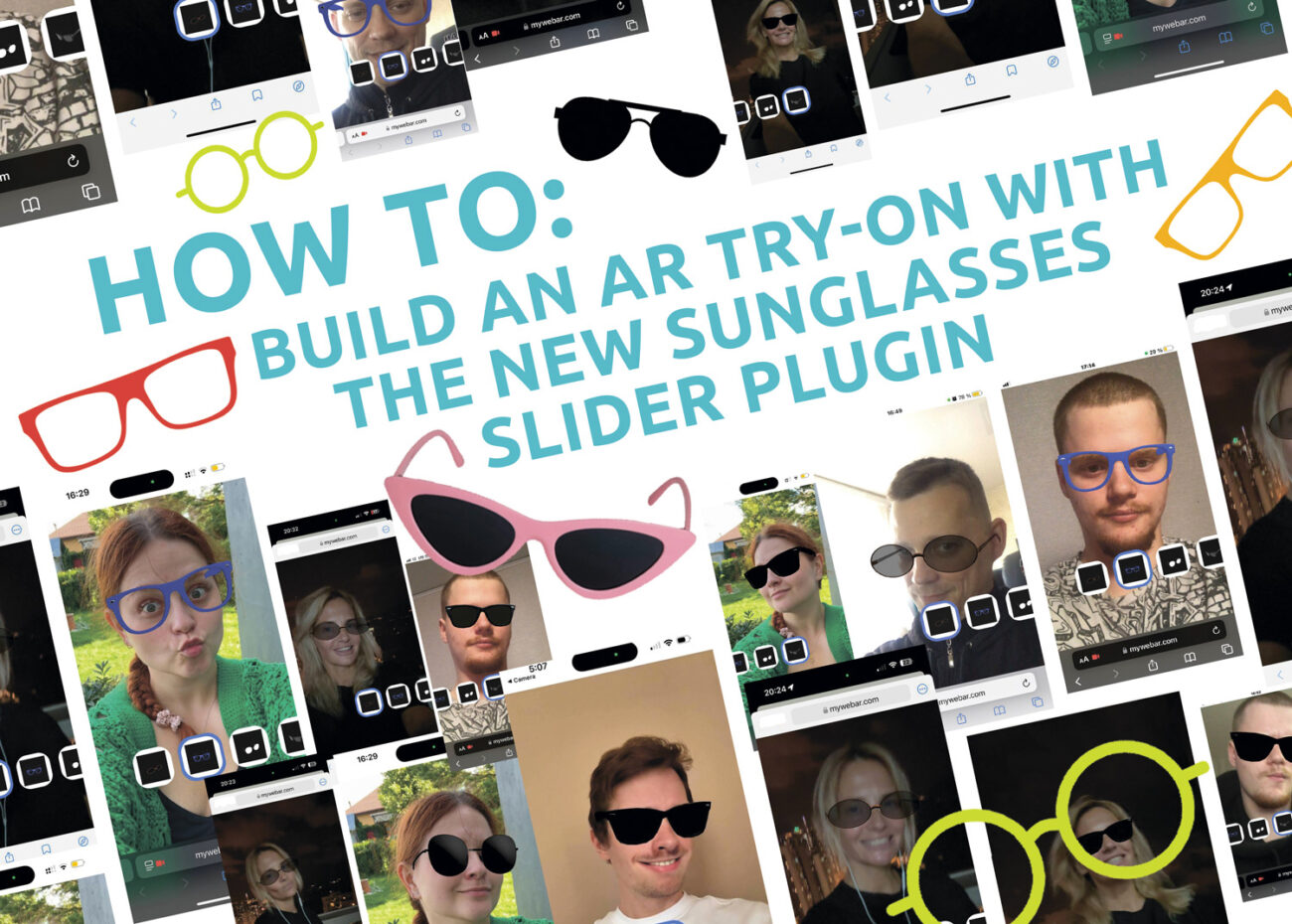
A good first WebAR project does not need to be huge. It can be a product demo, an interactive package, a simple educational model, a virtual try-on, an event activation, or a guided experience.
The important part is to learn what works.
Do users understand how to launch the experience? Do they stay engaged? Do they interact with the content? Does AR make the product easier to understand? Does it help people remember the brand? Does it create a reason to scan again?
These are the questions that will shape the future of AR content across every device.
The companies that start answering them now will be better prepared when spatial browsers, smart glasses, and new AR platforms become more widely available.
The future of AR starts before the glasses
Smart glasses are coming. The hardware is getting lighter, more powerful, and more connected to AI. Platforms like Android XR are creating new ecosystems for developers and device makers. Companies like Snap, Meta, Google, Samsung, Qualcomm, and XREAL are pushing the market forward.
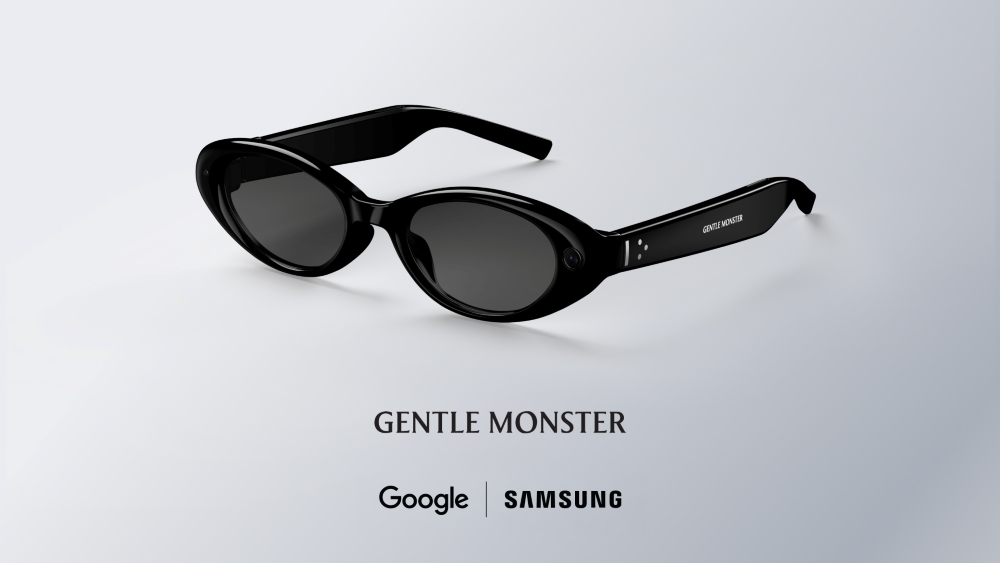
But the future of AR will not be defined by hardware alone.
It will be defined by the experiences people actually want to use.
WebAR gives creators a way to start now. It makes AR accessible through the browser, works with devices people already have, and helps brands, educators, and businesses build the content layer that future AR platforms will need.
You do not have to wait for everyone to own smart glasses.
You can start creating AR for the real world today.
Start building your own AR experience with MyWebAR
If you want to test AR for your brand, product, classroom, event, or campaign, you can start today with MyWebAR.
MyWebAR is a no-code platform for creating browser-based AR experiences. You can add 3D models, images, videos, audio, buttons, animations, and interactive elements, then publish your project and share it with a simple link or QR code.
You can build experiences with image tracking, curved surface tracking, world tracking, face filters, multiscene journeys, object tracking, and more. No app download is required for your audience.
Smart glasses may shape the next chapter of AR, but your first AR experience can already live in the browser.