AWE USA 2026, one of the world’s leading events for augmented and virtual reality, took place in California from June 15 to 18.
AR glasses were one of the biggest topics this year. Companies showcased devices for everyday use, work, and entertainment, along with new displays, processors, and ways to interact with AR content.
We collected the biggest announcements from AWE 2026 and explored what they could mean for the future of AR and WebAR.
Snap Introduces Consumer AR Glasses
The biggest announcement at AWE 2026 was the new Snap SPECS.
These standalone AR glasses do not require a smartphone or external computing device. They can recognize hand gestures, understand the user’s surroundings, and run interactive AR experiences.
The built-in AI assistant can analyze what the user sees, translate conversations, and provide information based on the surrounding context.
SPECS will cost $2,195, with the first deliveries expected in fall 2026.
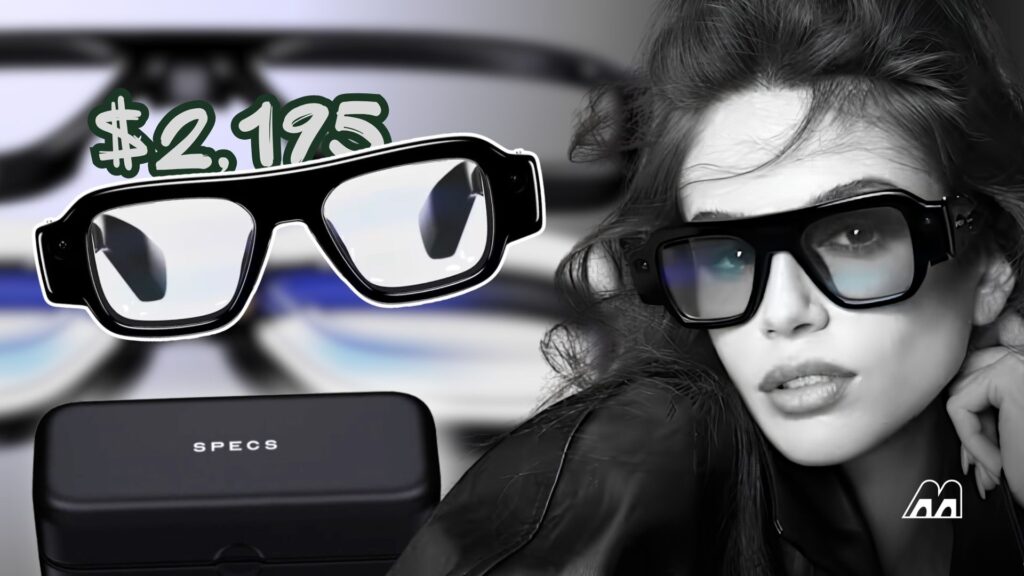
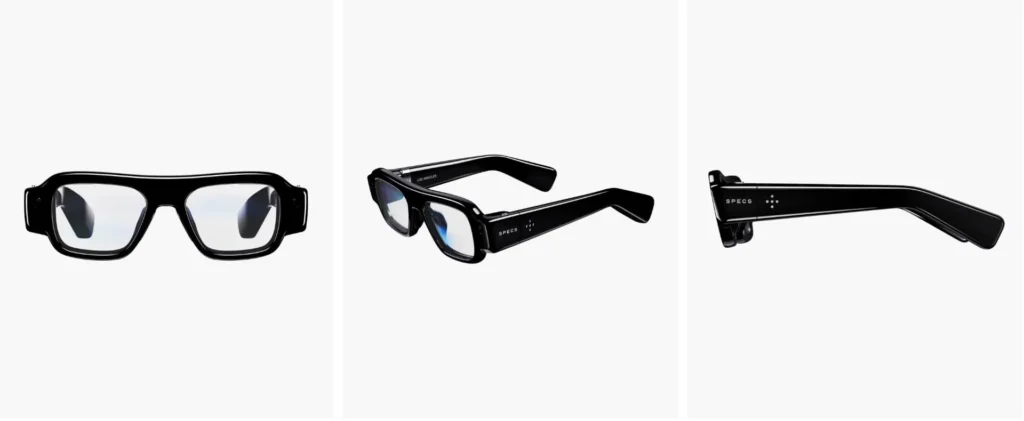
Photo: Snap Inc. / newsroom.snap.com
XREAL Brings Android to Augmented Reality
XREAL Aura runs on Android XR, Google’s platform for augmented and virtual reality devices.
The glasses support hand tracking and can run standard Android apps as well as content developed specifically for XR. At AWE, the company demonstrated games, educational experiences, sports content, and tools for creating spatial interfaces.
XREAL Aura is expected to launch in fall 2026. The final price has not yet been announced.
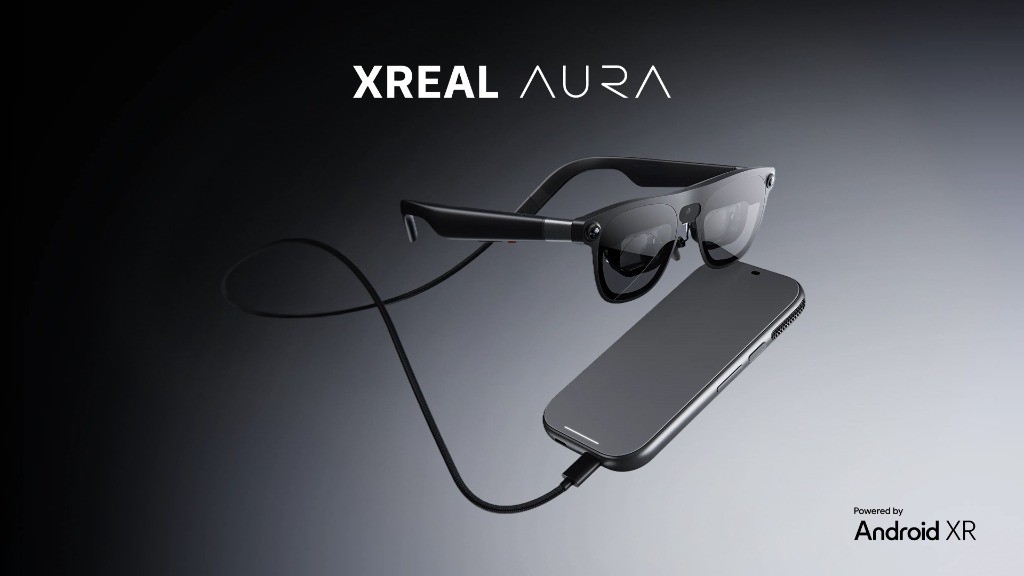
Photo: XREAL / xreal.com
Qualcomm Unveils a New Processor for XR
Qualcomm introduced Snapdragon Reality Elite, a new computing platform designed for XR devices.
It can run language and visual AI models directly on the device. This means AR glasses can recognize objects, understand the user’s surroundings, and respond to requests faster without constantly sending data to the cloud.
XREAL Aura will be one of the first devices powered by the new processor.
Raven Prism: A Linux Computer in the Form of Glasses
Raven Resonance presented Raven Prism, a pair of standalone glasses powered by Linux.
The device does not require a smartphone, and users can control its interface with their eyes and voice. Its most interesting feature is a replaceable battery system. Users can swap batteries without closing their apps or restarting the glasses.
Raven Prism is scheduled to launch commercially by the end of 2026.
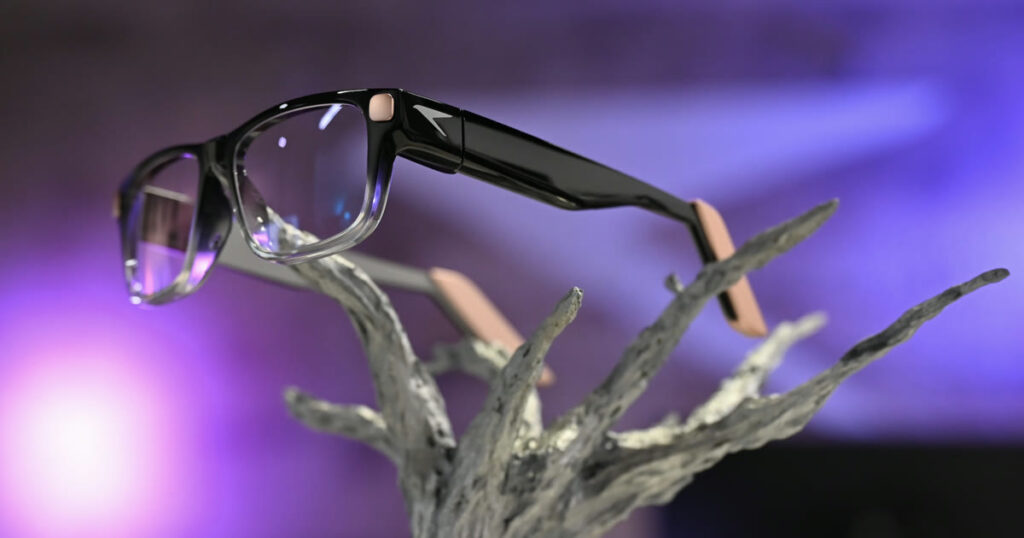
Photo: Raven Resonance / auganix.org
VITURE and NVIDIA Develop AI Glasses for Work
VITURE introduced Helix, AI-powered safety glasses for industrial sites, laboratories, and healthcare organizations.
Powered by NVIDIA XR AI, the system can analyze an employee’s actions and provide guidance while they work. For example, it could help someone complete a complex procedure or warn them about a possible mistake.
Helix is expected to go on sale in 2027.
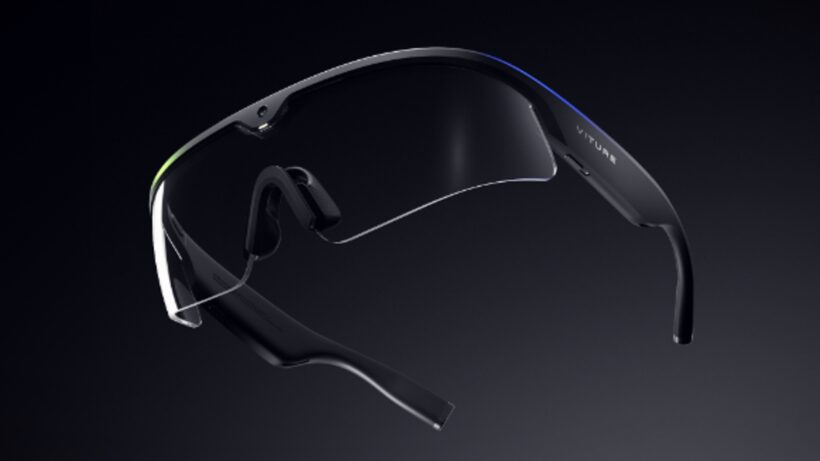
Photo: VITURE / viture.com
Samsung Showcases Brighter Displays for AR
Samsung Display presented an RGB OLEDoS display with a peak brightness of 40,000 nits. That is twice as bright as the panel the company demonstrated one year earlier.
Higher brightness helps digital content remain visible in AR glasses, even in direct sunlight. At the exhibition, Samsung demonstrated prototype glasses that displayed navigation, translations, and weather information over the real world.
This technology could help make future AR glasses lighter and more practical for everyday use.
AR Glasses Are Becoming More Affordable
X By XREAL introduced the a01 glasses, priced at $299.
They connect to a smartphone, laptop, or game console and work as a personal virtual screen. They are not full spatial AR glasses, but their lower price could introduce wearable displays to a much wider audience.
The a01 is expected to go on sale in the United States in July 2026.
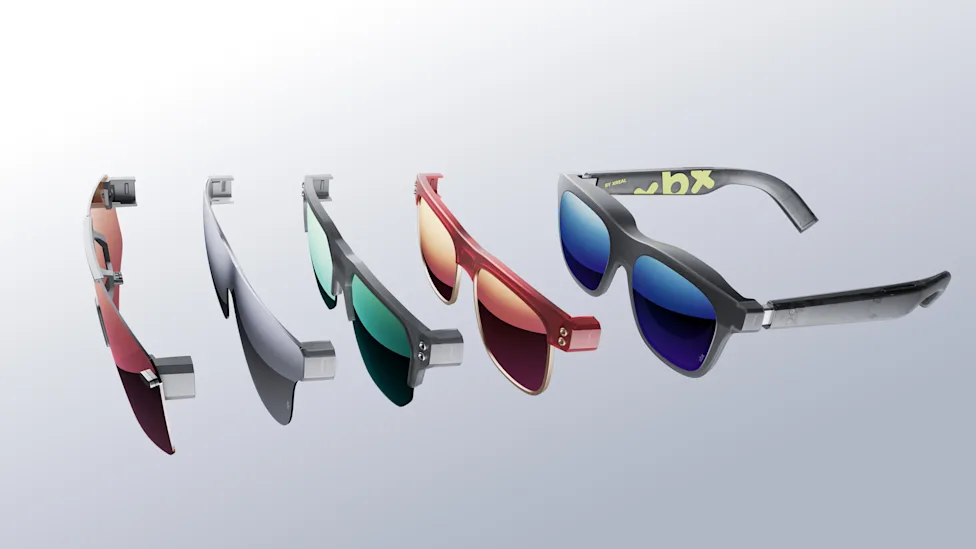
Photo: XREAL
New Ways to Control AR
Companies at AWE 2026 also demonstrated how people could interact with AR without traditional controllers.
The KiWear smart ring recognizes small finger movements. The updated TactGlove DK3 lets users feel interactions with virtual objects. A smart shirt from ShadowMaker Labs turns body movements and muscle activity into game controls.
Interaction with AR is becoming more natural. Instead of pressing buttons, users will be able to use their voice, eyes, hands, and body movements.
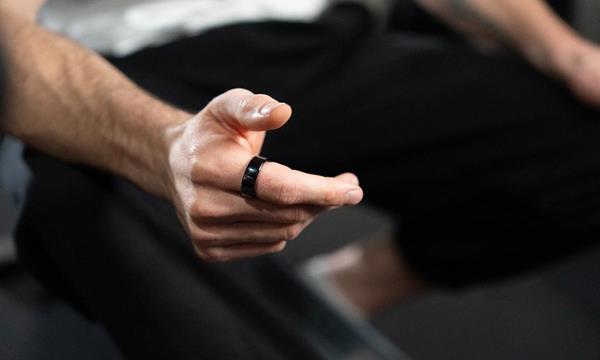
Photo: KiWear / globenewswire.com
The Best XR Projects Receive Auggie Awards
The annual Auggie Awards also took place during the exhibition.
Google Maps XR was named Best Consumer App, while Spectacles won Best Headworn Device. XR Vibe Coding with XR Blocks and Gemini received the award for Best Use of AI. Toyota FanPort was named Best Campaign.
What AWE 2026 Tells Us About the Future of AR
AWE 2026 showed that AR glasses are becoming more powerful, lighter, and closer to the mass market. At the same time, the industry is still working to improve pricing, battery life, and comfort.
The demand for AR content is also growing. New devices need games, educational experiences, navigation, workplace tools, and interactive brand campaigns.
This is where WebAR has an important advantage. An AR experience can already be opened in a browser using a link or QR code. Users do not need to buy a special device or install an app.
Brands and creators can start testing AR ideas today instead of waiting for AR glasses to become widely available. As spatial browsers develop, WebAR content will also be able to move from smartphones to new types of devices.
AWE 2026 showed how quickly AR hardware is evolving. The next challenge is to fill these devices with useful and engaging content.