Today, Forbes published a new article by Anna Belova, founder and CEO of DEVAR, that’s a must-read for anyone working in marketing, product design, or packaging innovation. Even if you think you’ve seen it all when it comes to AR-enhanced packaging, we’re willing to bet you’ll discover a few fresh ideas inside.
Packaging is often the first handshake between a product and a person. The shape, weight, sound when opened, material—all come together to create the first and often final verdict: buy or don’t buy. According to a 2018 Ipsos study, 72% of consumers are influenced by packaging design, and 67% pay attention to the material when making purchasing decisions.
Now add one more fact: There are already around 7.21 billion smartphone mobile network subscriptions in the world—meaning a lot of people carry an AR camera in their pocket.
And yet most packaging is still silent.
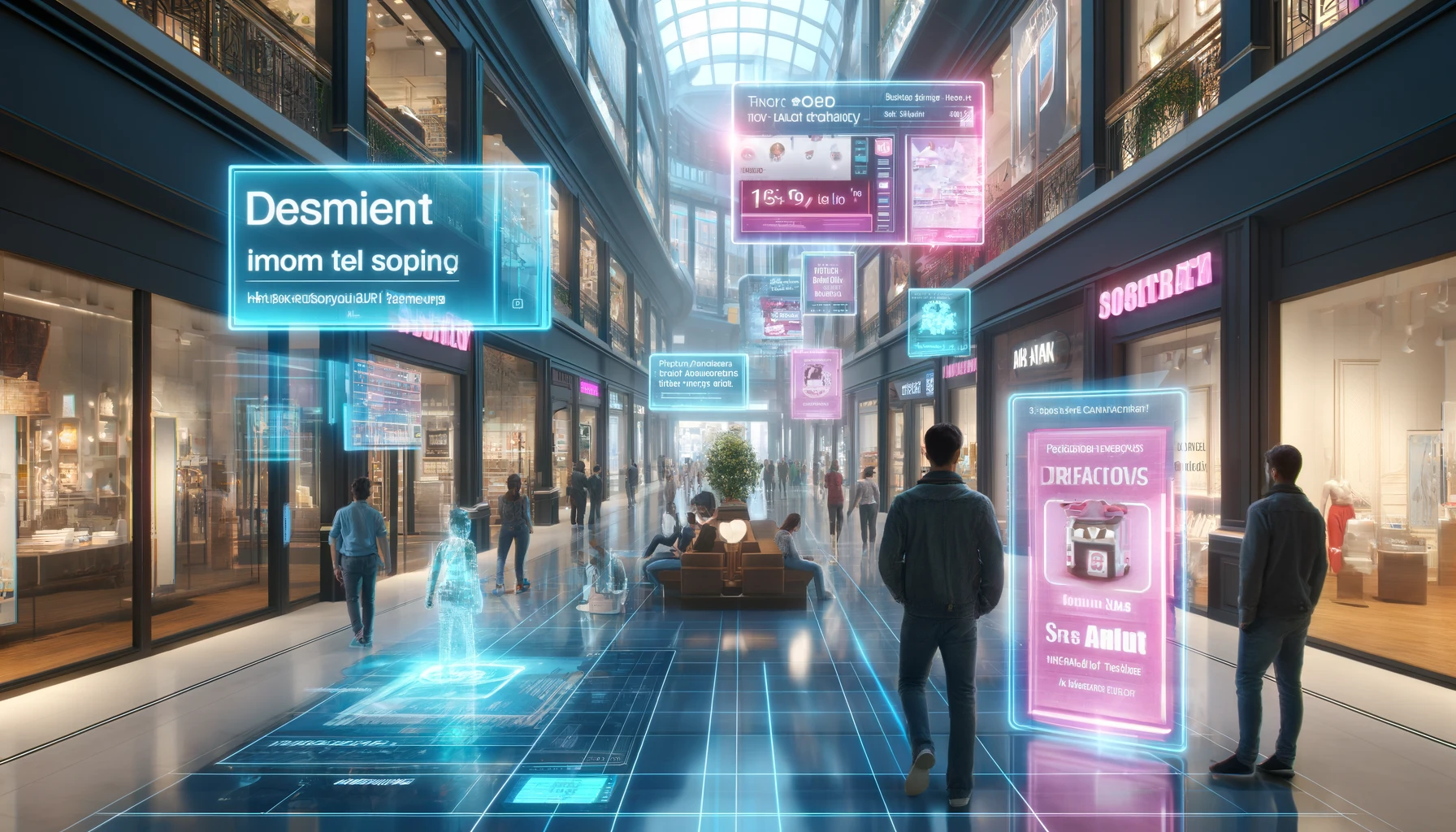
When we connect packaging to augmented or mixed reality, it stops being “just print” and becomes a full-fledged media channel that can change every day. Companies can expand the boundaries of manufacturing and marketing at once, turning static cardboard into a controllable digital interface.
The AR packaging market size was estimated at $354.9 million in 2024, with a CAGR of 6.3% from 2025 through 2030. In 2016, an AR company found the average “dwell-time” for AR campaigns was 75 seconds, which was 2.5 times the length of radio/TV ads. Our internal data over the past 12 months with users from a wide geography (primarily the U.S., Europe and Asia) shows users engage with AR scenes for up to three minutes.
From ‘Wow’ To Data: The Box As A Sensor
When someone sees a box or other package come to life in their palm, curiosity kicks in. AR scenes feel personal and real. For example, we’ve built zero-party data mechanics into AR packaging: Users answer questions inside the experience. So when a question pops up, it doesn’t feel intrusive. It’s part of the story.
Then comes the chain reaction: play, learn, tell, share. People play, learn about the product, give feedback that visibly shapes what happens next, then save or share. For customers, showing off the “portal in a box” can be tempting. The “I got here first” psychology often fuels stories—people love guiding others to the unusual. Brands just collect the insights as their audience spreads the word.
What Entrepreneurs Are Already Doing Today
Across industries, I’ve noticed companies are turning packaging into AR-powered digital experiences.
• Fashion: AR lookbooks with 3D try-ons can help boost engagement and impulse buys.
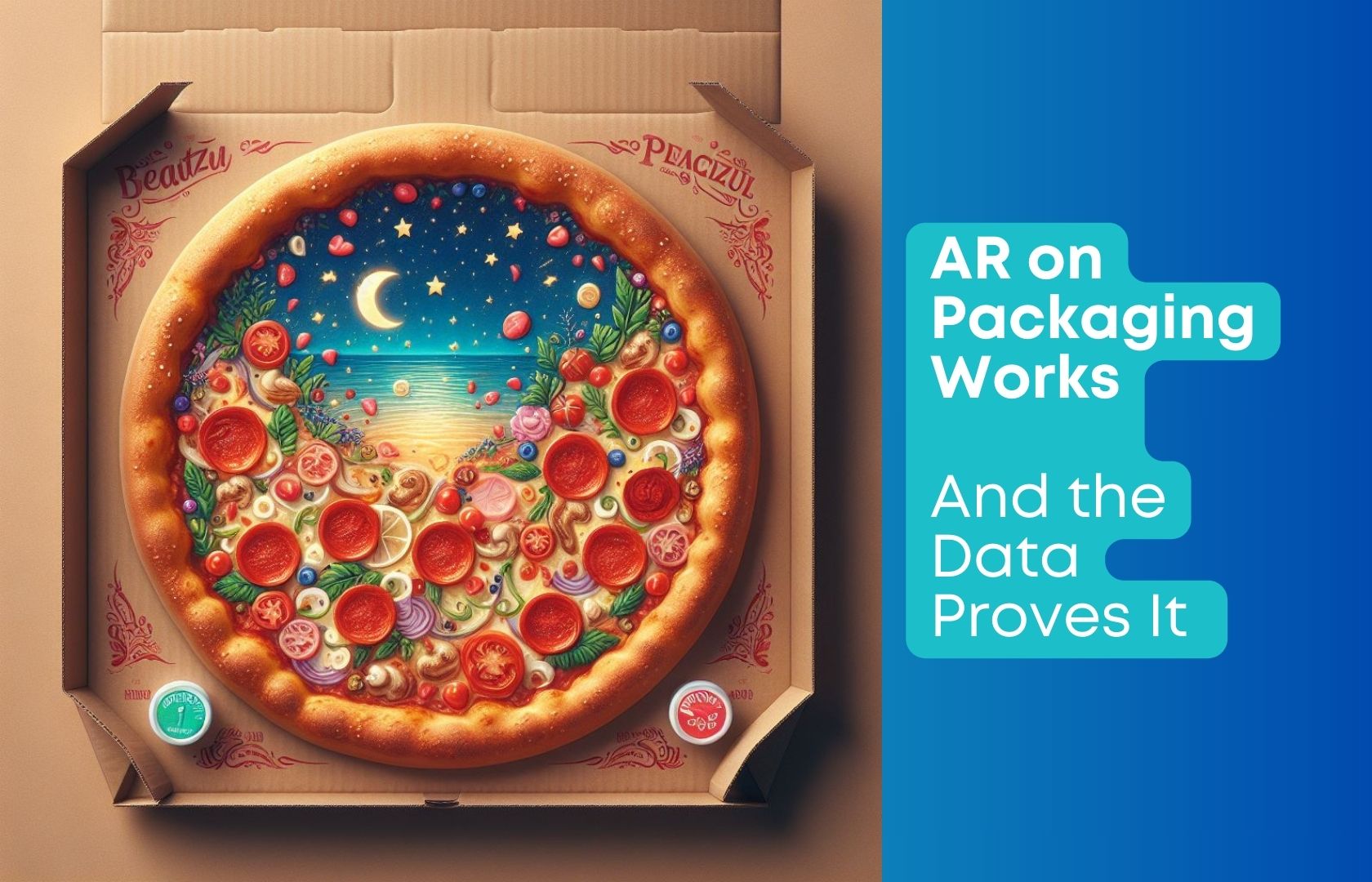
• Food: “Smart” cartons offer AR recipes and games for strong brand recall.
• Restaurants: AR menus show life-size dishes and ingredients, helping choices and upsells.
• Beauty: Shade-matching via AR on the product can boost confidence and sales.
• Pharma: Animated instructions and games can ease medication for children.
• Sports: Nutrition packaging launches an AR trainer for added value.
• Toys: AR quests extend post-purchase interest.
• Pet: Dog food packaging shows an AR nutritionist, encouraging accessory sales.
• Home appliances: AR guides simplify device setup.
• Tech gadgets: AR unboxing reduces support and improves first impressions.
• Tourism: City maps “wake up” with 3D guides and time-layered views.
• Greeting cards: AR animations turn paper into emotional souvenirs.
How AR And AI Can Turn Packaging Into A Strategic Asset
Here are three ways brands can use immersive tech and AI to solve real problems.
1. Implement dynamic design. Generative graphics let brands create localized micro-batches in minutes. While printed boxes stay frozen, AR, by contrast, keeps packaging “live.” A QR code becomes a reusable screen where campaigns can update daily. You get the tactile feel of packaging, plus infinite flexibility without reprints. That cuts print runs and keeps products fresh throughout their life cycle.
2. Leverage predictive offers. AI can adjust a coupon the moment someone scans. Based on time, location and user behavior, the system can pick the right offer and balance it against inventory. That’s phygital marketing: The box stays the same, but the digital overlay adapts instantly to optimize LTV and reduce unnecessary discounts.
3. Create carbon twins. Scan to reveal a live carbon footprint and disposal guide. This can help brands meet ESG goals and build trust with consumers.
Leveraging AR Platforms
Today, one marketing team can generate a 3D mascot, animate it via mobile motion-capture, add multilingual voice, music, synced lips and emotion, write a quest, optimize the logic, and localize—all using GenAI tools. (Disclosure: My company specializes in this, as do others.)
Modern AR platforms eliminate tech barriers—no apps or code. Just upload files, arrange in-browser and publish a QR code. Any brand manager can do it, and AI customizes content to match the audience. Time from idea to live scene can drop from months to days.
However, one of the biggest challenges is that many AR tools weren’t built for full marketing scenes or packaging campaigns. Many focus on simple effects, like placing 3D characters or face filters, but packaging needs branded scenes with logic, interactivity and measurable outcomes.
Another issue is accessibility. Some platforms deliver great visuals but require advanced skills like coding or complex 3D prep. This can be a barrier for smaller brands wanting to experiment with immersive technologies.
How To Launch Without Millions
To seize this opportunity, start by testing the tech on a single product and scale once results are clear. Here’s a minimal launch kit that proves “immersiveness” doesn’t require a million-dollar budget:
• One hero SKU: Choose your most recognizable product and add AR to it.
• Online AR and QR platforms: Build the scene on a no-code platform and print a QR code.
• One KPI: Decide what you’ll measure up front—scans, average check increase or email sign-ups.
• Shareable content: Create a mini-quest, virtual try-on or animated mascot.
• AI-powered survey: Ask one question inside the scene to gather zero-party data and give a personalized offer.
Final Word
Packaging remains a key medium of brand meaning. Today, it has a digital layer—available to every one of the billions of phones people check dozens of times per day.
Ignoring that opportunity could be like refusing to launch a mobile website in 2007. Start small. Test. Launch. Let your packaging speak, sing, guide and gather insights. The screen is already in your customer’s hand—all that’s left is to light it up.