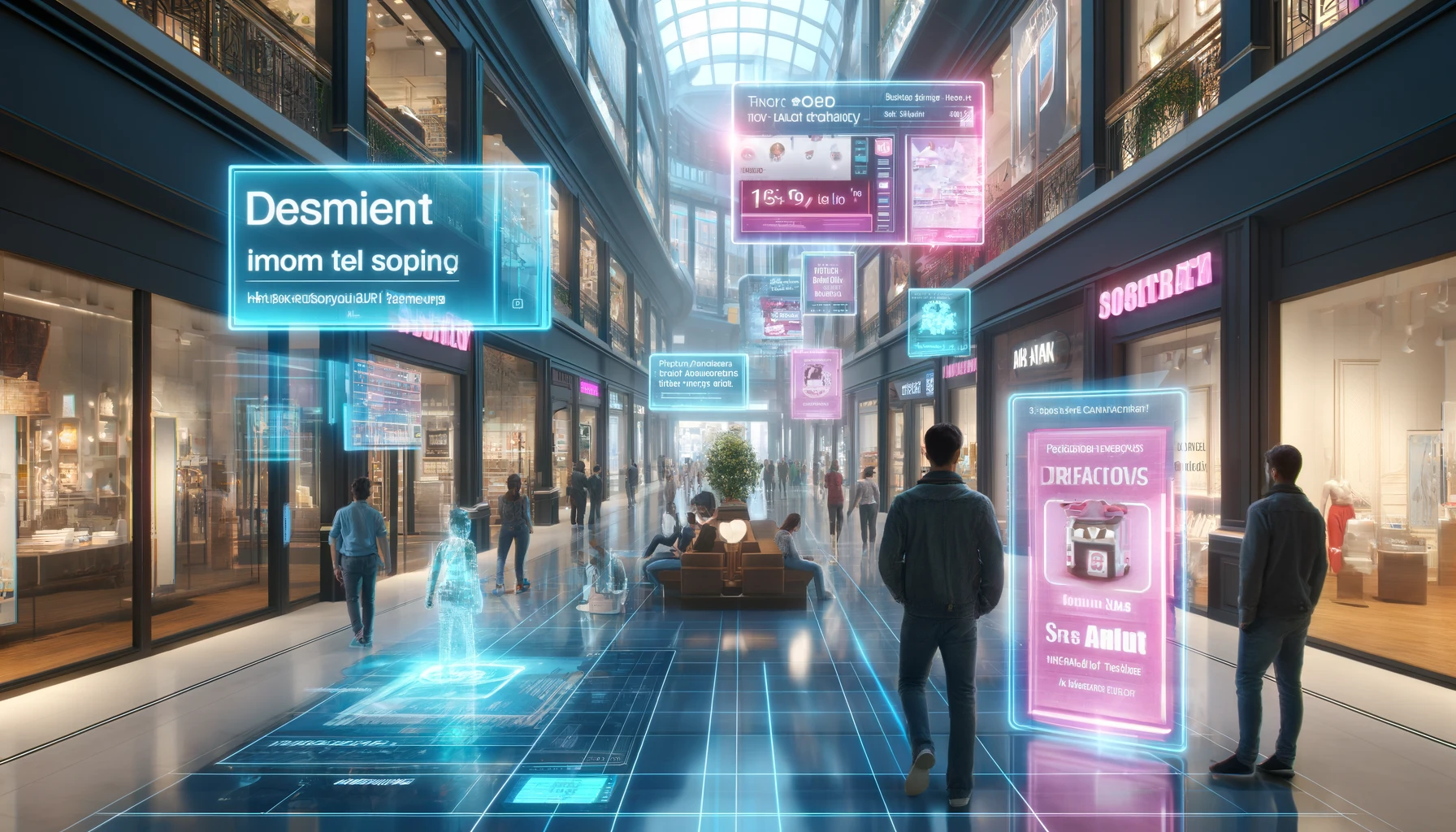
WebAR has finally matured enough to thrive in the chaos of live events. Everything launches directly in the mobile browser, which means audiences skip the “App Store barrier” and connect with interactivity through a single scan. Below are 11 tested and scalable scenarios that organizers of sports matches, concert tours, museums and exhibitions can implement today. Most of these ideas are already validated with real cases. And yes, the technology scales smoothly from boutique events to 80,000-seat arenas.
1. AR theatre posters and souvenir booklets
Remember this rule: any flat surface can become a base for immersive AR content. Promoting a concert? A theatre production? An expo? Add a portal into the show itself – animated scenes, backstage footage, artist interviews, or even a personal video invitation. Make printed programs and flyers interactive with highlight reels or shareable photo galleries. After the show, that AR-enhanced booklet becomes a true collector’s item your audience will want to keep forever.
2. Augmented reality in expo booths
Booth too small? AR fixes that. WebAR lets you teleport visitors to your showroom, factory floor or flagship store, right from a display board or product pedestal. Spatial content instantly grabs attention and boosts dwell time. Add layered product visualizers, customer testimonials, or gamified lead capture to turn a 3×3 meter booth into a 360° brand world.
3. Real-time match stats & AR games from the stands
Hosting a sports match or tournament? Let fans scan the pitch or court to trigger real-time overlays: player profiles, live statistics, win probabilities, even customizable highlight replays. Between plays, stadium screens can launch synchronized AR games – the entire section becomes one giant interactive controller.
4. “Point & Purchase” merchandise
Your phone sees a star’s jersey or the stage backdrop and opens a full AR pop-up store. Add-to-cart becomes instant and irresistible. Conversion rates? Through the roof. Want to boost FOMO? Offer time-limited drops or exclusive items only available via AR at the venue.
Bonus idea: don’t just sell printed t-shirts, turn them into immersive collectibles. Imagine a hologram of your favorite player launching from the chest print, or a short thank-you video recorded just for fans. Throw in a floating trophy. Or game-winning shoes. Nike, call us.
5. AR treasure hunts and interactive quests
Now we’re talking fun. Hide digital clues throughout your venue, behind statues, under signs, on pillars, or even floating above an exhibition hall. Spatial Tracking allows guests to unlock secrets just by pointing their phone at real-world 3D objects. This isn’t just gamification, this is your entire event becoming a living, breathing scavenger hunt.
6. Loyalty programs reinvented with AR collectibles
Yes, loyalty belongs in retail. But at events? It becomes pure magic. Offer limited-edition AR trading cards of players, artists or characters. Let fans scan packages or QR codes to collect them, unlock bonuses, or pose with a hologram of their hero. Add a rarity mechanic, and you’ve just built the first WebAR-powered fan economy.
7. Dynamic sponsor activations
Why settle for static billboards when you can make logos leap off the field? Sponsors can launch 30-second AR challenges, trivia games, or reward spins straight from the center circle. Include exclusive giveaways, promo codes, or bonus content.
Even better, this can reach fans watching at home – simply scan a QR during the broadcast and join in. No app. No downloads. Just direct, scalable, measurable engagement. At the Super Bowl, AR campaigns were sold at a premium over traditional media placements. And for good reason.
8. AR-powered digital souvenirs
Let’s face it: paper tickets are boring. But scan one after the event and boom: you’re holding a virtual trophy, or a personal highlight reel. Digital souvenirs like this increase retention, build fan nostalgia, and require zero additional logistics or printing. Just imagination.
9. AR navigation for large venues
Scan your row or seat number and get a real-time AR map guiding you to the nearest exit, restroom or food court. Embed these markers into your event app or display them on printed signage. Your guests will never get lost again. And guess what? Those same wayfinding markers can trigger sponsor messages, trivia, or discounts. Everybody wins.
10. Interactive exhibits and museum experiences
WebAR is the museum docent of the future. Turn a static painting into a 3D scene. Launch a time-travel portal from a dinosaur skeleton. Add expert commentary, product deep dives or fun quizzes to make your booth or museum exhibit a space people remember. And with no app download required, every visitor can participate, even if they’re just walking by.
11. AR-powered presentations and talks
Let’s stop pretending PowerPoint is enough. Your audience is used to TikTok and 3D. Start adding AR layers to your slides: 3D models, moving diagrams, augmented video intros, even full-scale portals to your showroom. Use a simple QR code in the corner of the slide. If you’re in education, this becomes a superpower: teachers can turn any lecture into a multi-sensory journey.
If your venue hosts thousands of guests, AR gives you a way to talk to each of them individually, at the right time, in the right place, without asking them to download a thing.
Why WebAR works for events
- No downloads. Visitors join in seconds
- 4D analytics. See where and how long guests interact, and track how that leads to merch sales
- Real-time CMS. Swap sponsor content mid-game or mid-show
Stadiums, festivals and exhibitions that adopt WebAR early will turn every seat, stage and display into a two-way, measurable channel. One scan is all it takes.